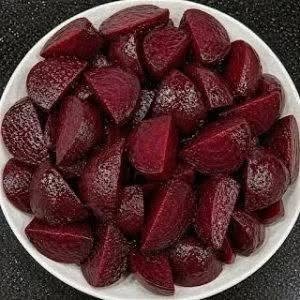
Beets may look like an ordinary root vegetable, but their deep red color comes from powerful natural compounds that have attracted considerable interest from nutrition researchers.
Whether you eat them roasted, boiled, steamed, blended into a smoothie, or added to a salad, beets can provide several important nutrients. But what exactly happens inside your body after you eat them?
From supporting healthy blood flow to providing antioxidants and dietary fiber, here are some of the potential effects of including beets in your diet.
1. Beets May Support Healthy Blood Pressure
One of the most interesting features of beets is their naturally high nitrate content.
Your body can convert dietary nitrates into nitric oxide, a compound involved in relaxing and widening blood vessels. This may help support normal blood flow and healthy blood pressure.
Research has found that consuming nitrate-rich foods such as beets may produce a modest reduction in blood pressure in some people.
However, beets should not be considered a replacement for prescribed blood-pressure medication or medical treatment.
2. They Can Help Support Digestion
Beets contain dietary fiber, which is important for normal digestive function.
Getting enough fiber in your diet can help support regular bowel movements and contributes to a healthy gut environment. Eating beets alongside other vegetables, fruits, whole grains, beans, and nuts can help you build a fiber-rich diet.
If you suddenly eat large amounts of beets after consuming very little fiber, however, you may experience temporary digestive discomfort.
3. Beets Provide Antioxidants
The intense red-purple color of many beets comes largely from natural pigments called betalains.
These compounds have antioxidant properties and help protect plants from environmental stress. In the human diet, foods containing antioxidants can contribute to an overall healthy eating pattern.
The best approach is not to rely on one “superfood,” but to eat a variety of colorful vegetables and fruits.
4. They May Support Exercise Performance
Beets have also become popular among athletes and physically active people because of their nitrate content.
Nitric oxide can influence blood flow and oxygen efficiency. Some studies suggest that dietary nitrate may improve exercise efficiency or endurance, particularly during certain types of physical activity.
This is one reason beetroot juice and whole beets are sometimes included in sports nutrition plans.
The effect varies between individuals, and eating beets is certainly not a substitute for proper training, hydration, sleep, and balanced nutrition.
5. Beets Are Packed With Useful Nutrients
Beets are relatively low in calories while providing several nutrients and plant compounds.
Depending on the serving size, they can contribute:
Dietary fiber
Folate
Potassium
Manganese
Vitamin C
Natural plant compounds
Nitrates
Antioxidant compounds
Their nutritional value makes them a useful addition to a balanced diet.
6. Don’t Be Alarmed by Red Urine or Stool
There is one surprising thing that can happen after eating beets: your urine or bowel movements may turn pink, red, or reddish-purple.
This is commonly known as beeturia.
For many people, this is harmless and simply reflects the pigments from the beets passing through the digestive system.
However, if you notice unexplained blood in your urine or stool, especially when you have not recently eaten beets, it is important to speak with a healthcare professional rather than assuming it is beet-related.
7. Can Everyone Eat Beets?
Most people can enjoy beets as part of a balanced diet.
However, people with certain medical conditions may need to pay attention to their intake of particular nutrients. Beets also contain oxalates, so people who have been advised by a healthcare professional to follow a low-oxalate diet should discuss appropriate portions with their doctor or dietitian.
People taking medication for blood pressure should also remember that dietary changes can sometimes influence blood pressure. Regular monitoring and professional advice are important.
How Much Beet Should You Eat?
There is no single amount of beets that everyone needs to eat.
A moderate serving can easily fit into a healthy meal. You can try adding cooked beets to salads, eating them as a side dish, mixing them with other vegetables, or incorporating them into soups and smoothies.
As with any food, variety is important. Eating beets alongside a wide range of vegetables provides a broader selection of nutrients and plant compounds.
What Is the Healthiest Way to Eat Beets?
There is no single “perfect” preparation method.
Roasted, steamed, boiled, or raw beets can all be part of a healthy diet. If you are using canned beets, check the nutrition label for added salt or sugar.
For a simple meal, try combining sliced beets with leafy greens, beans or another protein source, a small amount of olive oil, and your favorite herbs.
The Bottom Line
So, what does eating beets actually cause?
For most people, eating beets can provide fiber, nutrients, nitrates, and beneficial plant compounds that support an overall healthy diet. They may also help support healthy blood flow and exercise performance.
But beets are not a miracle cure, and claims that eating them will automatically prevent or treat serious diseases should be viewed with caution.
The healthiest approach is to enjoy beets as one part of a varied diet that includes vegetables, fruits, whole grains, healthy proteins, and healthy fats.
One colorful vegetable can be a great addition to your diet — but your overall eating pattern matters much more than any single food.
Frequently Asked Questions
Can eating beets lower blood pressure? Beets contain nitrates that may support nitric oxide production and healthy blood-vessel function. Research suggests they may modestly lower blood pressure in some people.
Why does urine turn red after eating beets? Beet pigments can sometimes cause urine to appear pink or red. This is commonly called beeturia and is usually harmless.
Are beets good for digestion? Yes. Beets provide dietary fiber, which supports normal digestion and regular bowel movements.
Can I eat beets every day? For most healthy people, beets can be included regularly as part of a varied and balanced diet. Individual dietary needs can differ.
Are beets good before exercise? Because beets contain dietary nitrates, some research suggests they may support exercise efficiency and endurance in certain circumstances.
Are beets a treatment for high blood pressure? No. Beets may support healthy blood pressure, but they should not replace prescribed medication or medical advice.
Medical Disclaimer
This article is for general educational and informational purposes only. It is not intended to diagnose, treat, cure, or prevent any disease and should not replace advice from a qualified healthcare professional. If you have a medical condition, take medication, or have been advised to follow a specific diet, consult your doctor or registered dietitian before making significant dietary changes.