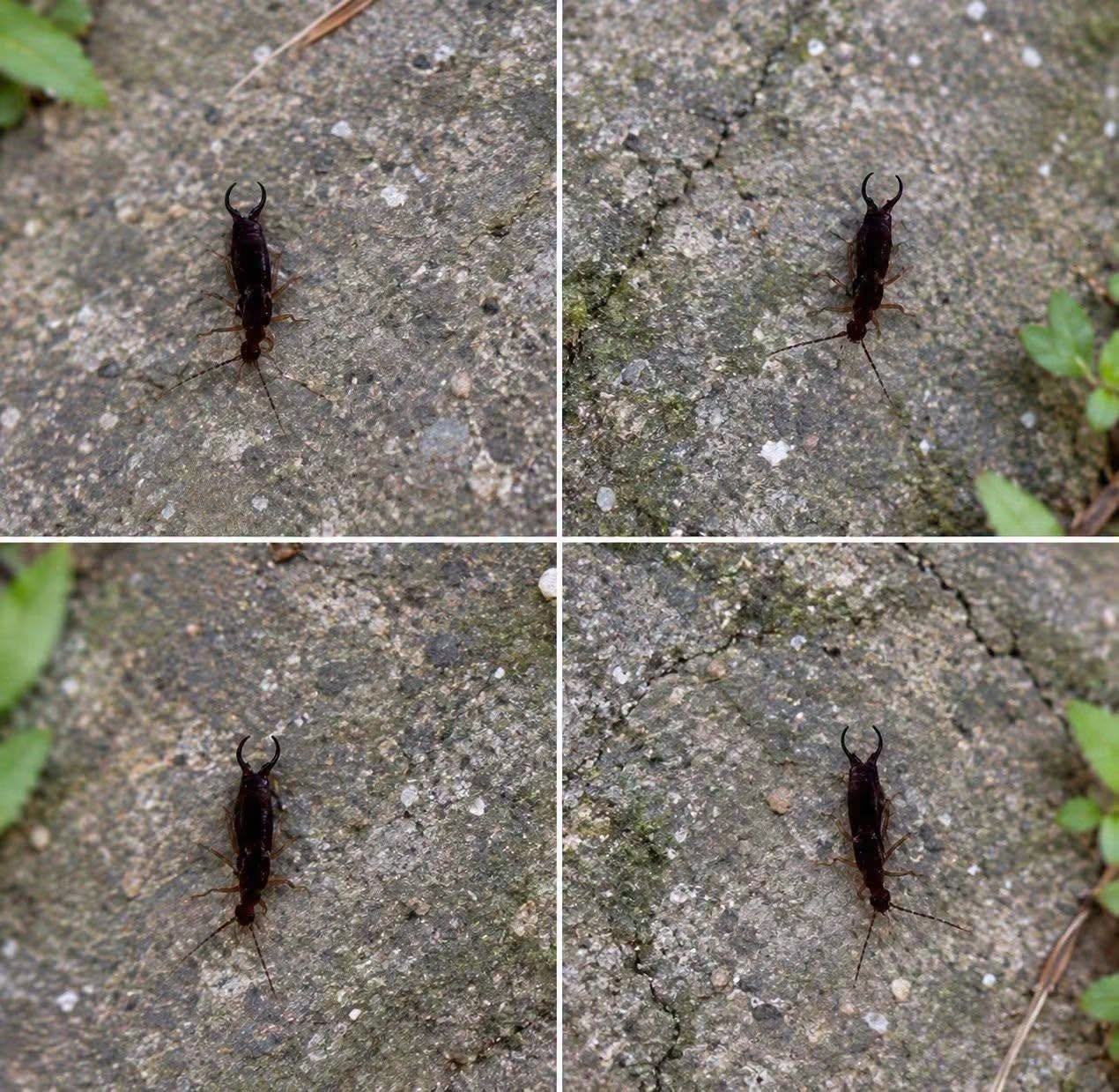
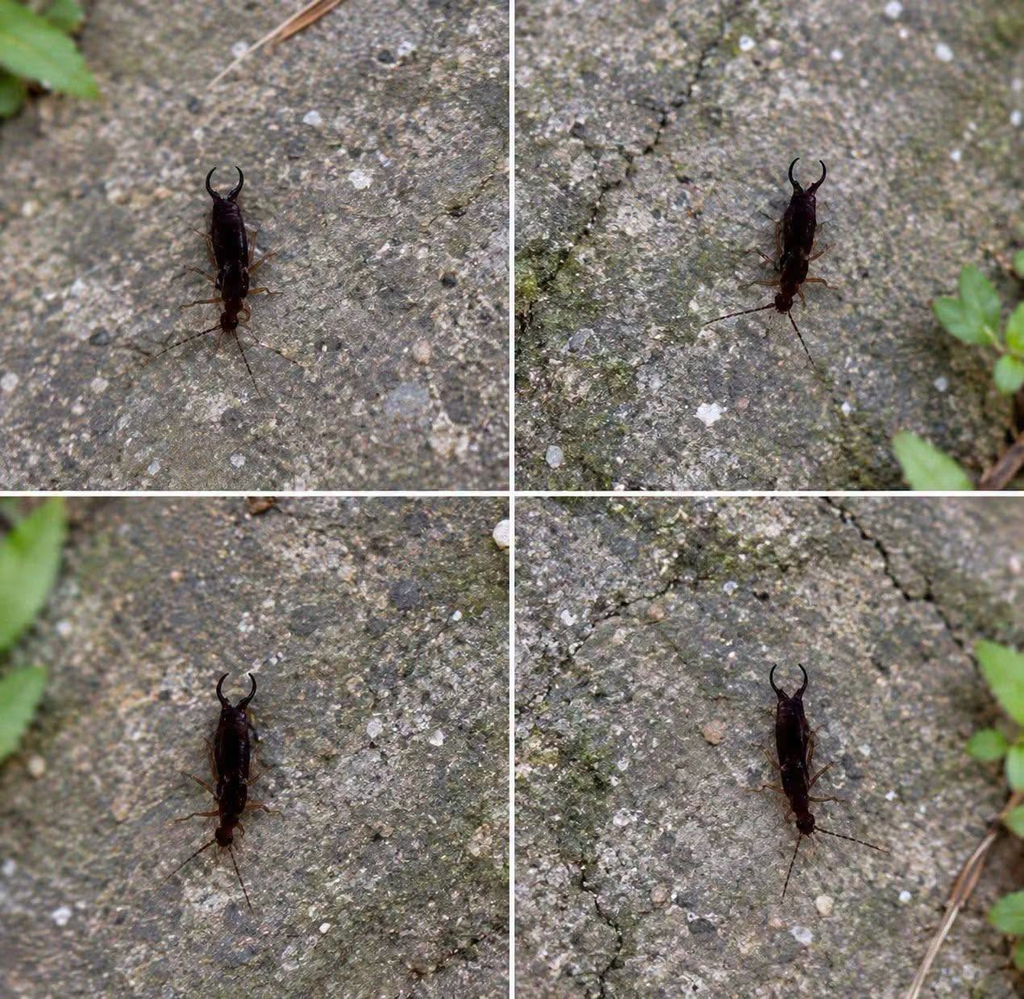
At first glance, this little insect can look surprisingly intimidating.
With its long antennae, dark body, and curved pincers sticking out from the back, it’s easy to understand why people sometimes panic when they find one crawling around their home.
But the insect in the photo is most likely an earwig—and despite its frightening appearance, it is generally much less dangerous than its reputation suggests.
So why might you be seeing one around your house?
What Is That Strange Insect?
The insect appears to be an earwig, an insect belonging to the order Dermaptera.
One of its most recognizable features is the pair of curved structures at the end of its abdomen. These are called cerci, commonly referred to as pincers or forceps.
The pincers can look threatening, but earwigs generally use them for defense, handling prey or food, and during mating. They aren’t designed to attack humans.
Earwigs are usually brown to reddish-brown or nearly black, with elongated bodies and long antennae.
Does Seeing an Earwig Mean Your House Is Dirty?
Not necessarily.
This is one of the most common misconceptions about earwigs.
Finding an earwig indoors doesn’t automatically mean that your home is dirty or infested.
Instead, earwigs are often associated with moist, cool, sheltered environments.
They may enter buildings while searching for food, shelter, or better conditions.
That means discovering one can be a useful reason to check for areas where moisture is accumulating—but it isn’t proof that something is wrong with your home.
Why Do Earwigs Like Moisture?
Earwigs are commonly found outdoors in places such as:
Under stones
Beneath fallen leaves
Around mulch
Under logs and wood
In garden debris
Around damp soil
In cracks and sheltered spaces
During hot, dry, or unfavorable weather, they may seek more suitable conditions.
That’s why damp areas around a home can sometimes attract them.
What Should You Check If You Keep Seeing Them?
If you occasionally find an earwig indoors, there’s usually no reason to panic.
But if you’re seeing many of them, it’s worth checking around the property for moisture and possible entry points.
Look for:
Leaking Pipes
Check underneath sinks, around toilets, near washing machines, and anywhere plumbing passes through walls.
Damp Basements or Crawl Spaces
Poor ventilation and water intrusion can create attractive hiding places for moisture-loving insects.
Blocked Gutters
Overflowing gutters can dump water against the foundation and keep the surrounding soil unnecessarily wet.
Leaking Outdoor Faucets
Even a small, persistent leak can create a consistently damp area around the house.
Wet Mulch and Garden Debris
Leaves, mulch, logs, and other organic material can provide excellent hiding places for earwigs.
Gaps Around Doors and Windows
Earwigs can enter through surprisingly small openings, particularly around doors, windows, foundations, and other exterior gaps.
Are Earwigs Dangerous?
For most people, earwigs are not dangerous.
They don’t have venomous stingers, and they aren’t considered a significant threat to humans.
They can pinch if handled or seriously threatened, but their pincers generally aren’t capable of causing serious injury.
The best approach is simply to avoid picking them up with your bare hands.
If one appears indoors, you can remove it using a container and a piece of paper or simply sweep it outside.
And No, They Don’t Usually Crawl Into Your Ears
The name “earwig” has contributed to one of the insect world’s strangest myths.
For centuries, people have associated earwigs with the idea that they crawl into people’s ears while they sleep.
There is no good evidence that earwigs routinely seek out human ears.
Like many small insects, an earwig could theoretically end up somewhere it wasn’t supposed to be, but humans are not their preferred habitat.
They’re far more interested in dark, damp hiding places than in your ears.
So you don’t need to sleep with your ears covered because you saw an earwig in the bathroom. 😄
What Do Earwigs Eat?
Earwigs are often omnivorous.
Depending on the species and circumstances, they may feed on:
Decaying plant material
Leaves
Flowers
Fruits
Insects
Small invertebrates
Fungi
Organic debris
Some species can occasionally damage garden plants, particularly when populations are high.
However, earwigs also consume other insects and decaying material, so their presence isn’t automatically a sign of a garden problem.
Why Are They Sometimes Found Inside at Night?
Earwigs are generally more active at night.
During daylight hours, they often hide in dark, protected places.
At night, they emerge to search for food and move around.
This can make an occasional indoor sighting particularly surprising: you may not notice them during the day, but suddenly find one crawling across a bathroom floor or kitchen wall after dark.
Should You Kill Every Earwig You See?
Not necessarily.
If you find one indoors, removing it is usually enough.
The more important question is why you’re finding them repeatedly.
If there are many earwigs appearing indoors, sealing entry points and reducing moisture may be more useful than simply killing individual insects.
Outside, earwigs are part of the local ecosystem and can contribute to decomposition and insect predation.
How Can You Keep Earwigs Out of Your Home?
A few simple measures can make your home less attractive to them.
Keep the Area Around the Foundation Dry
Make sure water drains away from the house rather than collecting against the foundation.
Fix Leaks
Don’t ignore dripping faucets, leaking pipes, or damaged gutters.
Reduce Outdoor Hiding Places
Move piles of leaves, boards, firewood, and other debris away from the walls of the house when practical.
Seal Cracks and Gaps
Inspect areas around doors, windows, pipes, and the foundation.
Weatherstripping and appropriate sealants can help reduce insect entry.
Avoid Excessive Mulch Near the House
Organic mulch can provide an excellent hiding environment for earwigs and other insects. Keeping it appropriately managed can reduce potential harborage areas.
When Is It Time to Call Pest Control?
One earwig isn’t a reason to call an exterminator.
However, professional help may be worthwhile if you’re experiencing a persistent or unusually large indoor population, especially if you’ve already addressed obvious moisture and entry points.
A pest professional can identify where the insects are coming from and determine whether another underlying moisture or structural issue needs attention.
The Real Warning Sign
So, if the headline says that spotting an earwig is a “sign you need to…” do something, the most sensible answer isn’t:
“Run for your life!”
It’s:
Check your home for moisture and possible entry points.
An occasional earwig is completely normal, particularly if you live near gardens, vegetation, or other suitable outdoor habitat.
But repeatedly finding them indoors may indicate that your property provides the combination they like: moisture, shelter, food, and an easy way inside.
Fixing those conditions is usually a better long-term strategy than simply dealing with each insect individually.
Final Takeaway
The strange insect in the photograph is most likely an earwig, recognizable by its elongated body and distinctive rear pincers.
Despite its creepy appearance and unsettling name, it is generally harmless to people.
Seeing one doesn’t mean your house is dirty, and it doesn’t mean earwigs are trying to crawl into your ears.
But if you’re suddenly finding them everywhere, take it as a reason to inspect your property for damp areas, leaks, garden debris, and gaps around doors and windows.
Sometimes a tiny insect can tell you something useful about the environment around your home.